
Orchid Care Tips
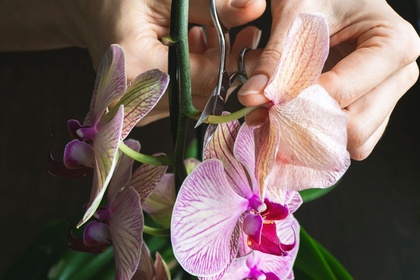
This how-to-take care of orchids guide will ensure you can look after your precious orchids for a long time and even get them to repeat flower. Orchids are relatively easy to maintain but differ from typical houseplants. They can flower for many months, and rather than discarding them after blooming once, with proper knowledge and patience they'll bloom again, providing significant satisfaction.
Understand How Orchids Grow
Understanding orchid growth in their natural environment is beneficial. These plants are epiphytes, meaning they develop on tree bark rather than in soil or compost, obtaining nutrients and water from the air without damaging the supporting tree. While some orchids thrive in specific soil conditions, this isn't necessary for home cultivation.
The Proper Water, Light, and Soil Requirements
Orchids require minimal water -- excess watering kills them quickly. Allow your orchid to dry out between each watering and limit that to once every two weeks. Water should drain from the pot's bottom; never let them sit in standing water. Position them in bright, indirect light, as direct sunlight causes leaf burn. Orchid bark serves as the optimal growing medium and can be purchased pre-made.
Prune Orchids for Repeat Flowering
Depending on species, orchids flower at least annually for extended periods. The critical factor is maintaining proper conditions. After flowering, the stem can be pruned back, often producing new growth that can be staked for future flowering.
Get to Know Common Pests and Problems
- Shriveled leaves indicate insufficient watering.
- General struggling suggests overwatering; inspect roots for black/brown or squishy areas suggesting root rot; remove damaged roots and repot in fresh orchid bark.
- Common pests include aphids, mealybugs, and fungus gnats -- treatable with water spray or diluted washing liquid solution.
Our friendly staff are happy to advise if you need help with your orchids next time you visit the store.